
Foam Blank Surfboard Shaping Basics in Morocco (What Travellers Actually Need to Know)
A grounded intro to foam blank surfboard shaping in Morocco — blanks, glassing, why most visitors need repair not a new shape, and how the craft sits next to the Bouznika ding shop.
By Mehdi Assiry ·
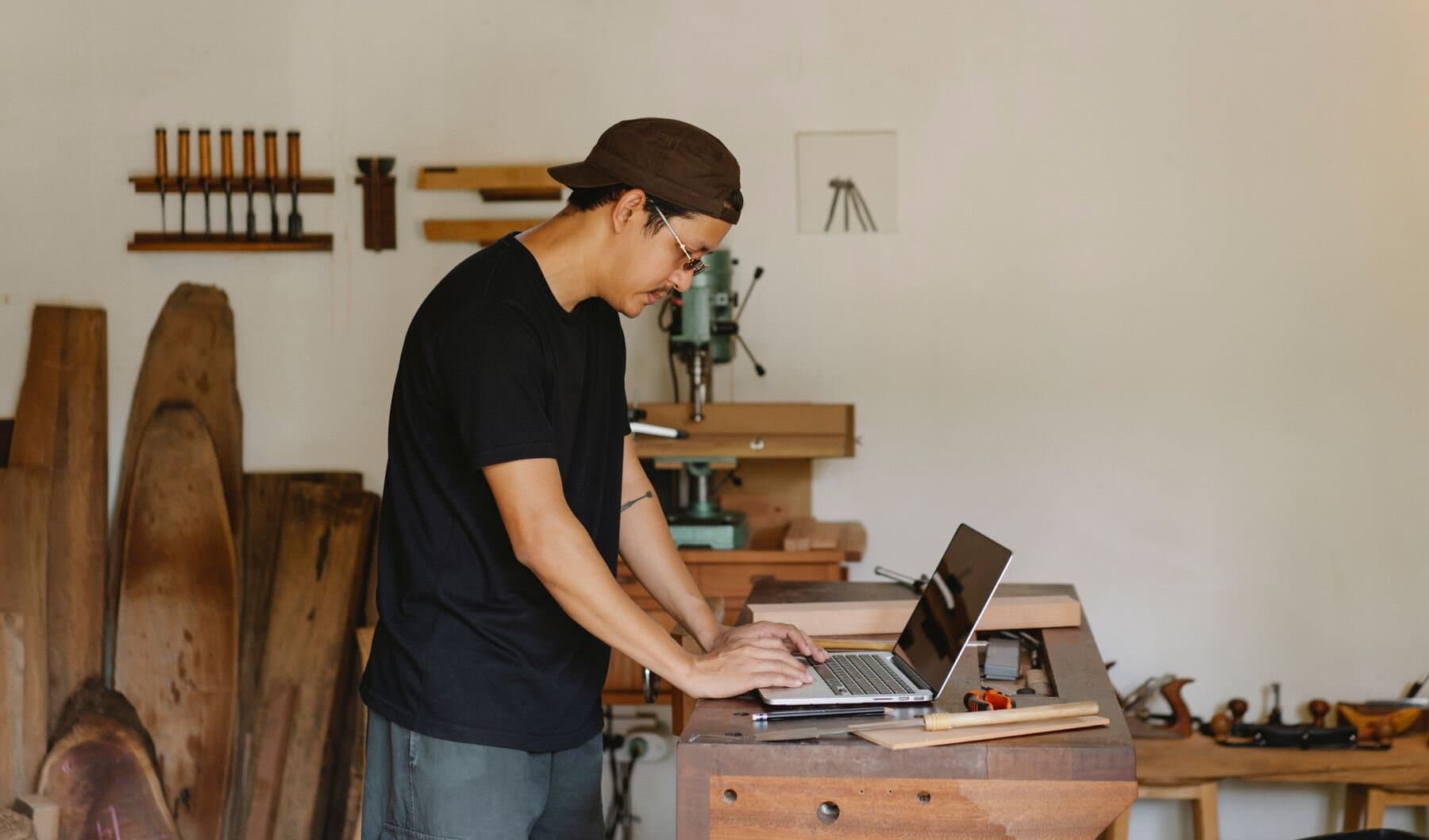
Foam blank surfboard shaping basics Morocco is a search full of workshop porn: planers, dust, a silhouette against the sun. That craft is real. It is also not what most people landing in Casablanca need this week.
I repair and restore boards in Bouznika. I will explain the blank honestly, tell you when a custom makes sense, and tell you when you should glass the ding and go surfing.
What a blank is
A blank is the foam core before it is a surfboard: roughly board-shaped, waiting for a planer and a template. Traditional PU blanks take polyester resin and fibreglass. Many modern lights are EPS meant for epoxy.
From there the shaper cuts:
- Outline — how wide, how the nose and tail sit in the water
- Rocker — the curve along the length; too much and a beginner board is a pig to paddle
- Foil and rails — thickness distribution; this is feel
- Stringer (on many PUs) — the wooden spine
Then glassing: cloth, resin, fins or boxes, sanding, gloss if you want it. Paint can live in that stack — see custom painting in Bouznika.
None of this is a rainy-afternoon craft project. Dust in lungs, resin on time, mistakes you cannot unsaw.
Morocco’s relationship with the craft
This country has shapers, glassers, and a huge culture of keeping boards alive because importing a quiver is expensive and slow. The unsung majority of the work is not a brand-new shortboard for a visiting influencer. It is:
- Closing Atlantic dings
- Replacing a cooked fin box
- Fairing a yellowed PU so it is a board again
- Teaching kids on foamies that get destroyed and patched
That is the ecosystem our shop sits in. Shaping knowledge makes repairs better. Repair volume pays for the patience a real custom needs.
When a custom from a blank is the right call
- You have ridden enough to know you want a 9'1" with a certain nose, not “a surfboard, any surfboard”
- You can wait — blanks, glass, and cure do not care about your return flight
- You will be here for a fitting conversation, not a WhatsApp silhouette
- You understand a first custom might still not be “the one,” because feel is learned
When it is the wrong call: you have never stood up, you want it for Saturday, you want it cheaper than a supermarket soft-top. Learn first. Lessons are how you discover whether you even like a longboard.
Repair and restore as “almost shaping”
A bad delam job is sculpture: cut until you find dry foam, rebuild, cloth, fair. You are reshaping a wound. Travellers call it repair. In the hands it is the same attention as a blank, just starting from a scar.
If your uncle’s 90s PU still has rocker, restoring it can be more soul and less waste than a new pop-out. If the foam is mud, we will say no. Sentiment does not float.
Materials on this coast
UV is not gentle. Dark tints, neglected dings, and roof racks without a bag cook decks. PU vs epoxy is required reading before you pick a construction for a board that will live in a Moroccan summer.
Fins: boxes fail. 500 dh is on the menu because a board without a fin is a sled. Do not wait until the box is a hole in the ocean.
If you are curious, start as a guest of the craft
Ask to see a repair in progress. Watch how cloth wets out. That will teach you more than a motivational video of a planer. If you later want a blank discussed, contact with what you ride now, your weight, and whether the board will live in Bouznika or fly home in a bag.
Foam is humble. The ocean is not. Shape with respect or repair with respect — both are the same job of putting a human on a wave without the board coming apart. In Bouznika we take that job seriously, whether the starting point is a blank or a crack.
Frequently asked questions
- Can I watch a surfboard get shaped in Bouznika?
- The day-to-day shop is repair, glass, and restoration. Full shaping from a blank is slower, dustier, and not a drop-in tourist activity. If you are serious about a custom, talk first — do not arrive with an afternoon and a dream.
- Is it cheaper to shape a board in Morocco than to buy one?
- A thoughtful custom is labour, a blank, cloth, resin, and time. A decent used board plus a proper restore is often the smarter first Moroccan quiver. Cheap ‘custom’ is how you get a door with fins.
- PU blank or EPS if I ever go custom?
- PU/polyester is the classic feel many longboarders still want. EPS/epoxy is lighter and dings differently. The right answer is the wave you actually surf in Bouznika and how you travel with the board, not a forum argument.
- How is shaping different from repair?
- Repair closes and reinforces what is already there. Shaping starts with foam and a plan: outline, rocker, foil, then glass. Restoration sits in the middle — you are reshaping damaged foam back toward a rideable surface.
Keep reading
Board Shaping & Restoration
Custom Surfboard Painting in Bouznika: Colour, Logos, and Honest Limits
What custom surfboard painting in Bouznika actually involves — prep, resin, UV, and when paint is art versus when you just need a solid ding repair first.
Board Shaping & Restoration
PU vs Epoxy Ding Repair in Morocco: Why the Foam Changes the Job
How polyurethane and epoxy surfboards fail differently, what that means for ding repair in Bouznika, and why the wrong filler makes a “fixed” board leak again.
Learn to Surf
Best Time of Year to Learn Surfing on Morocco’s Atlantic (Bouznika Edition)
When beginners should book surf lessons in Bouznika — summer’s smaller banks, winter’s power, water temperature, wind, and how we pick a first-wave month.